Creating a Thorough Home Electrical Safety Guide
Ensuring electrical safety in homes and businesses is a critical responsibility that protects lives and property. Electrical hazards can lead to fires, injuries, or even fatalities if not properly managed. A comprehensive approach to electrical safety involves regular inspections, maintenance, and adherence to safety protocols. This guide provides practical advice and detailed steps to help maintain a safe electrical environment, especially for those in Maldon and Essex, where reliable electrical services are essential.
Understanding the Importance of a Home Electrical Safety Guide
Electrical systems are complex and require careful attention to prevent accidents. A home electrical safety guide helps identify potential risks and outlines preventive measures. It serves as a reference for homeowners and business operators to maintain safe electrical practices.
Regular checks can detect issues such as faulty wiring, overloaded circuits, or outdated equipment. Addressing these problems early reduces the risk of electrical fires and shocks. Moreover, following a structured safety guide ensures compliance with local regulations and standards, which is crucial for insurance and legal purposes.
Implementing a home electrical safety guide also promotes energy efficiency. Well-maintained electrical systems operate more effectively, reducing energy waste and lowering utility bills. This dual benefit of safety and efficiency makes the guide an indispensable tool for property owners.

Key Components of a Home Electrical Safety Guide
A thorough home electrical safety guide covers several essential areas. Each component plays a vital role in maintaining a safe electrical environment.
1. Inspection of Electrical Panels and Circuit Breakers
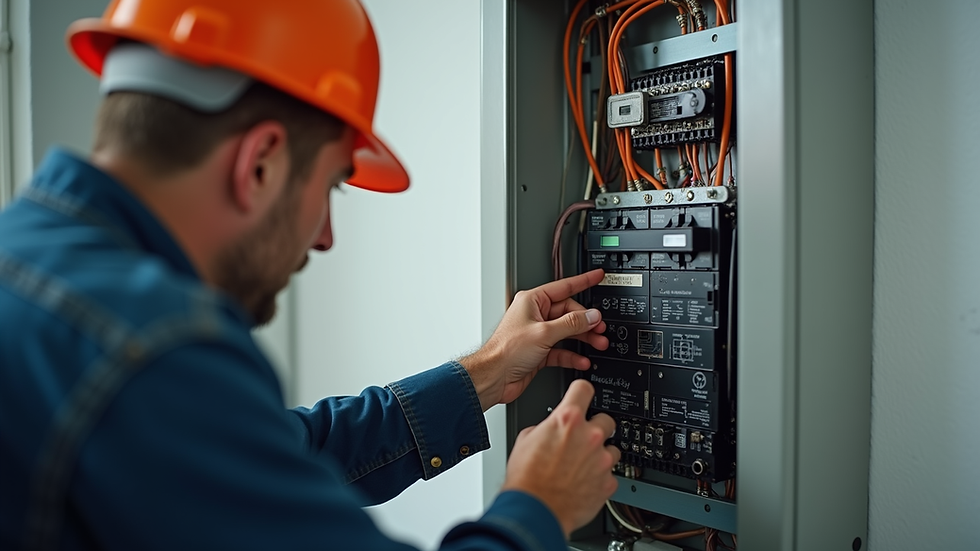
The electrical panel is the heart of the system. Regular inspection ensures that circuit breakers function correctly and that there are no signs of overheating or corrosion. Any unusual sounds or smells should prompt immediate professional evaluation.
2. Checking Wiring and Outlets
Wiring should be intact without any visible damage or fraying. Outlets must be securely mounted and free from cracks or burn marks. Using a socket tester can help verify proper grounding and wiring.
3. Testing Smoke and Carbon Monoxide Detectors
Smoke and carbon monoxide detectors are critical safety devices. They should be tested monthly and batteries replaced annually or as needed. Proper placement near bedrooms and living areas maximizes their effectiveness.
4. Safe Use of Electrical Appliances
Appliances should be used according to manufacturer instructions. Avoid overloading outlets with multiple high-power devices. Extension cords should be temporary solutions, not permanent wiring substitutes.
5. Ground Fault Circuit Interrupters (GFCIs)
GFCIs protect against electrical shock in wet areas like kitchens, bathrooms, and outdoor spaces. Testing GFCIs monthly ensures they trip correctly when needed.
6. Professional Maintenance and Repairs
Only qualified electricians should perform repairs or upgrades. DIY electrical work can lead to dangerous mistakes and void insurance coverage.
By following these components, property owners can significantly reduce electrical hazards and maintain a safe environment.
What are 10 Safety Rules in Electrical?
Adhering to fundamental safety rules is essential for preventing accidents. Here are ten key electrical safety rules:
Turn off power before working on electrical systems. Always switch off the main breaker or circuit before starting any electrical work.
Use insulated tools. Tools with insulated handles reduce the risk of electric shock.
Avoid water near electrical devices. Water conducts electricity and increases the risk of shock.
Do not overload circuits. Distribute electrical load evenly to prevent overheating.
Replace damaged cords and plugs immediately. Frayed or broken cords are fire hazards.
Install smoke detectors and test regularly. Early detection of electrical fires saves lives.
Keep flammable materials away from electrical equipment. Sparks can ignite nearby combustibles.
Use proper extension cords. Only use cords rated for the intended load and duration.
Educate family or staff about electrical safety. Awareness reduces risky behavior.
10. Schedule regular professional inspections. Certified electricians can identify hidden dangers.
Following these rules creates a safer environment and minimizes the risk of electrical accidents.

Practical Steps to Create an Electrical Safety Checklist
Creating a detailed electrical safety checklist is a proactive way to manage electrical risks. Here are practical steps to develop one:
Step 1: Identify All Electrical Components
List all electrical devices, outlets, panels, and wiring systems in the property. Include appliances, lighting fixtures, and outdoor electrical installations.
Step 2: Define Inspection Frequency
Determine how often each component should be checked. For example, smoke detectors monthly, wiring annually, and appliances quarterly.
Step 3: Develop Inspection Procedures
Specify what to look for during inspections. This includes checking for damage, testing functionality, and verifying compliance with safety standards.
Step 4: Assign Responsibilities
Decide who will perform each inspection. Homeowners can handle simple tasks like testing detectors, while professionals should conduct complex inspections.
Step 5: Record Findings and Actions
Maintain a log of inspections, noting any issues found and corrective actions taken. This documentation supports ongoing safety management.
Step 6: Update the Checklist Regularly
Electrical systems and safety standards evolve. Review and update the checklist annually or after any significant electrical work.
By following these steps, property owners can create a customized and effective electrical safety checklist that enhances protection.
Why Choose Professional Electrical Services in Maldon and Essex?
Professional electricians bring expertise and experience that ensure electrical safety is maintained to the highest standards. For residents and businesses in Maldon and Essex, choosing a trusted service provider like JLD Electrical offers several advantages:
Compliance with Local Regulations: Professionals understand regional codes and ensure all work meets legal requirements.
Quality Workmanship: Skilled electricians use the right tools and techniques to prevent future problems.
Safety Assurance: Certified electricians follow strict safety protocols, reducing the risk of accidents.
Emergency Support: Reliable service providers offer prompt response to electrical emergencies.
Customer Satisfaction: Experienced companies prioritize clear communication and customer needs.
Investing in professional electrical services is a smart decision that protects property and enhances peace of mind.
Maintaining Electrical Safety Beyond the Checklist
Electrical safety is an ongoing commitment. Beyond following a checklist, consider these additional practices:
Educate Everyone on Electrical Safety: Ensure all household members or employees understand basic safety rules.
Use Energy-Efficient Devices: Modern appliances often have built-in safety features and reduce electrical load.
Monitor Electrical Bills: Sudden increases may indicate faulty wiring or devices.
Avoid DIY Electrical Repairs: Always hire licensed electricians for any electrical work.
Stay Informed About Safety Recalls: Check for recalls on electrical products and replace them if necessary.
By integrating these habits, property owners can sustain a safe and efficient electrical environment.
Creating and following a detailed electrical safety checklist is essential for protecting homes and businesses from electrical hazards. With regular inspections, adherence to safety rules, and professional support, electrical safety becomes manageable and effective. Prioritizing these measures helps build a secure environment that supports the wellbeing of all occupants.



Comments