Effective Troubleshooting Electrical Issues for Your Home and Business
Electrical systems are the backbone of modern homes and businesses. When something goes wrong, it can disrupt daily activities and even pose safety risks. Understanding how to approach electrical problems effectively can save time, money, and stress. This guide offers practical advice on troubleshooting electrical issues, helping property owners in Maldon and Essex maintain safe and reliable electrical systems.
Understanding Troubleshooting Electrical Issues
Electrical troubleshooting is a systematic process used to identify and resolve problems within electrical circuits and devices. It involves careful observation, testing, and analysis to pinpoint the root cause of an issue. Whether it’s a flickering light, a tripped breaker, or a complete power outage, knowing how to troubleshoot can prevent minor faults from escalating into major hazards.
For example, if a circuit breaker frequently trips, the cause might be an overloaded circuit, a short circuit, or a faulty appliance. By isolating the problem, one can take appropriate action such as redistributing electrical loads or repairing damaged wiring.
Key steps in troubleshooting electrical issues include:
Visual inspection: Look for obvious signs like damaged wires, scorch marks, or loose connections.
Testing components: Use tools like multimeters to check voltage, current, and continuity.
Isolating circuits: Turn off sections of the electrical system to identify where the fault lies.
Consulting documentation: Refer to wiring diagrams and manuals for complex systems.

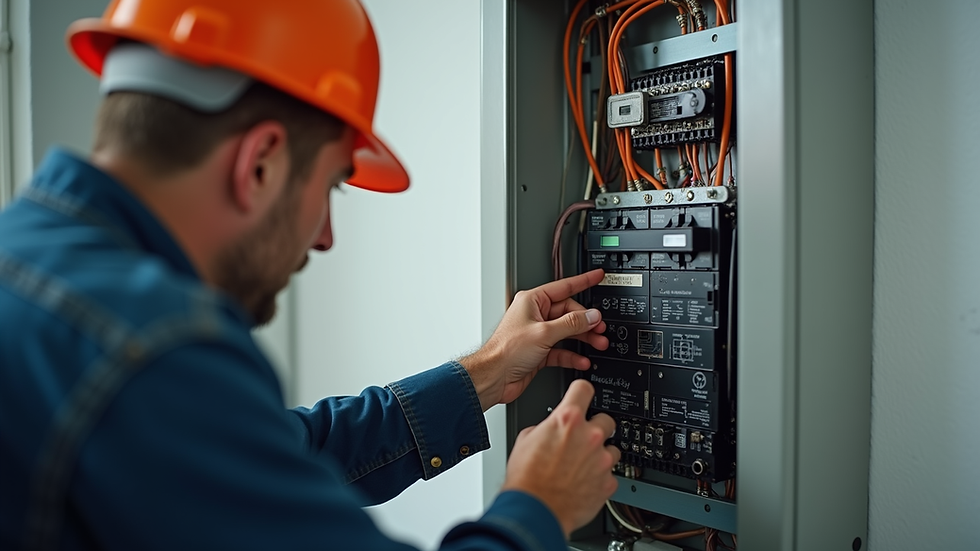
Close-up view of an electrical panel showing circuit breakers used in troubleshooting
Essential Tools and Safety Tips for Troubleshooting Electrical Issues
Before starting any electrical troubleshooting, safety must be the top priority. Electricity can be dangerous, and improper handling can lead to injury or property damage. Always follow these safety guidelines:
Turn off power: Switch off the main breaker before inspecting or working on electrical components.
Use insulated tools: Ensure all tools have insulated handles to prevent electric shock.
Wear protective gear: Safety glasses and gloves provide additional protection.
Avoid water: Never work on electrical systems in wet or damp conditions.
Know when to call a professional: Complex or high-risk issues should be handled by licensed electricians.
Having the right tools makes troubleshooting more efficient and accurate. Some essential tools include:
Multimeter: Measures voltage, current, and resistance.
Non-contact voltage tester: Detects live wires without direct contact.
Circuit tester: Checks if outlets and switches are functioning.
Wire strippers and cutters: For preparing and repairing wiring.
Flashlight: Helps inspect dark or hard-to-reach areas.
Using these tools properly can help identify problems such as faulty outlets, broken switches, or wiring faults quickly and safely.
What are the 10 Common Electrical Problems and Solutions?
Electrical issues can vary widely, but some problems occur frequently in homes and businesses. Understanding these common faults and their remedies can empower property owners to act promptly.
Frequent Circuit Breaker Trips
Cause: Overloaded circuits or short circuits.
Solution: Reduce the load on the circuit or inspect wiring for faults.
Flickering or Dimming Lights
Cause: Loose wiring or voltage fluctuations.
Solution: Tighten connections and check for faulty wiring or appliances.
Dead Outlets
Cause: Tripped GFCI outlets or broken wiring.
Solution: Reset GFCI outlets and test wiring continuity.
Warm or Discolored Outlets and Switches
Cause: Loose connections or overloaded circuits.
Solution: Replace damaged outlets and redistribute electrical loads.
Buzzing or Crackling Sounds
Cause: Faulty wiring or loose connections.
Solution: Inspect and repair wiring immediately to prevent fire hazards.
Burning Smell Near Electrical Components
Cause: Overheating wires or devices.
Solution: Turn off power and call a professional electrician.
Lights Not Turning On
Cause: Burnt-out bulbs, faulty switches, or wiring issues.
Solution: Replace bulbs, test switches, and inspect wiring.
Power Surges
Cause: Lightning strikes or faulty appliances.
Solution: Install surge protectors and unplug sensitive devices during storms.
Electric Shocks When Touching Appliances
Cause: Faulty grounding or damaged insulation.
Solution: Check grounding systems and repair or replace damaged cords.
10. High Electricity Bills
Cause: Inefficient appliances or wiring faults causing energy loss.
Solution: Upgrade to energy-efficient devices and inspect wiring for leaks.

Eye-level view of an electrician testing wiring inside a residential electrical box
Practical Tips for Maintaining Electrical Systems
Regular maintenance is key to preventing electrical problems and ensuring safety. Here are some actionable recommendations:
Schedule periodic inspections: Have a qualified electrician inspect your electrical system annually.
Replace outdated wiring: Older homes and buildings may have wiring that no longer meets safety standards.
Use quality electrical components: Invest in certified outlets, switches, and breakers.
Avoid overloading circuits: Distribute electrical devices across multiple circuits.
Install safety devices: Use Ground Fault Circuit Interrupters (GFCIs) and Arc Fault Circuit Interrupters (AFCIs) where appropriate.
Keep electrical panels accessible: Ensure the main panel is easy to reach and clearly labeled.
By following these tips, property owners can reduce the risk of electrical faults and extend the lifespan of their electrical systems.
When to Seek Professional Electrical Services
While some minor electrical issues can be addressed by knowledgeable property owners, many situations require professional expertise. Complex problems, such as persistent breaker trips, wiring faults, or installation of new electrical systems, should always be handled by licensed electricians.
Professional electricians bring:
Expert knowledge: Understanding of electrical codes and safety standards.
Proper tools and equipment: Access to advanced diagnostic tools.
Experience: Ability to identify hidden issues and provide long-term solutions.
Insurance and guarantees: Protection for both the electrician and the property owner.
For residents and businesses in Maldon and Essex, choosing a trusted electrical service provider ensures quality workmanship and peace of mind. JLD Electrical, for example, is committed to delivering reliable and safe electrical solutions tailored to the needs of local homes and businesses.
By mastering the basics of troubleshooting electrical issues and knowing when to call in professionals, property owners can maintain safe, efficient, and reliable electrical systems. This proactive approach helps prevent emergencies and supports the smooth operation of daily activities. For expert assistance, always rely on reputable electrical service providers who prioritize safety and customer satisfaction.
For more detailed guidance on electrical troubleshooting, visit trusted local experts who understand the unique needs of Maldon and Essex properties.



Comments