Professional Electrical Safety Checks: Thorough Electrical Inspection Services for Safety
Ensuring the safety of electrical systems in homes and businesses is crucial. Faulty wiring, outdated equipment, or unnoticed damage can lead to serious hazards such as electrical fires, shocks, or costly downtime. Professional electrical safety checks provide a comprehensive way to identify potential risks and maintain a secure environment. This article explores the importance of thorough electrical inspections, what they involve, and how they contribute to safety and peace of mind.
The Importance of Professional Electrical Safety Checks
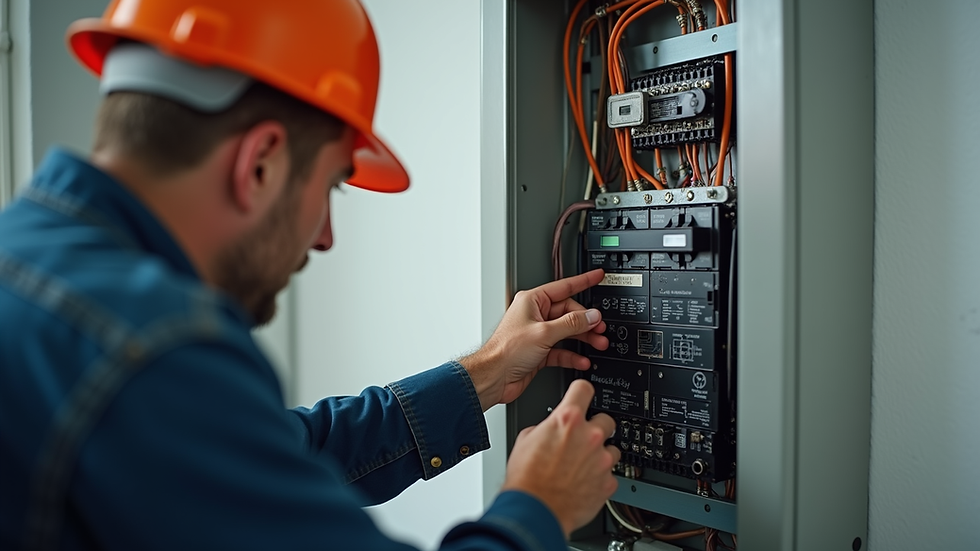
Electrical systems are complex and require expert knowledge to assess properly. A professional electrical safety check involves a detailed examination of wiring, outlets, circuit breakers, and other components to ensure everything is functioning correctly and safely. These checks help prevent accidents by identifying issues before they escalate.
For example, an electrician might discover worn insulation on wires or overloaded circuits that could cause overheating. Addressing these problems early can save money on repairs and protect lives. Regular inspections also help maintain compliance with safety standards and insurance requirements.
Key benefits of professional electrical safety checks include:
Early detection of electrical faults
Prevention of electrical fires and shocks
Compliance with safety regulations
Increased lifespan of electrical equipment
Peace of mind for property owners

What to Expect During a Professional Electrical Safety Check
A thorough electrical inspection covers all accessible parts of the electrical system. The process typically includes:
Visual Inspection
The electrician examines wiring, outlets, switches, and panels for visible signs of damage, wear, or improper installation.
Testing and Measurement
Using specialized tools, the inspector tests circuits for correct voltage, current, and grounding. This ensures the system operates within safe parameters.
Checking Safety Devices
Safety devices such as Residual Current Devices (RCDs) and circuit breakers are tested to confirm they will trip correctly in case of faults.
Review of Electrical Load
The inspector assesses whether the electrical load is balanced and within the system’s capacity to prevent overloads.
Documentation and Recommendations
After the inspection, a detailed report is provided outlining any issues found and recommended actions.
This process is designed to be thorough yet efficient, minimizing disruption while maximizing safety.
Is an Electrical Inspection a Legal Requirement?
In many cases, electrical inspections are not just a good idea but a legal necessity. Regulations vary depending on the type of property and its use. For example, rental properties often require periodic electrical safety checks to protect tenants. Commercial buildings may be subject to stricter regulations to ensure workplace safety.
In the UK, the Electrical Safety Standards in the Private Rented Sector (England) Regulations 2020 require landlords to have electrical installations inspected and tested at least every five years. Failure to comply can result in penalties and increased liability.
For businesses, compliance with the Electricity at Work Regulations 1989 mandates that electrical systems are maintained to prevent danger. Regular inspections are a key part of meeting these legal obligations.
Understanding these requirements helps property owners avoid legal issues and maintain a safe environment for occupants.
How Regular Electrical Inspections Enhance Safety and Efficiency
Regular inspections are not only about safety but also about optimizing electrical system performance. Over time, electrical components can degrade, connections may loosen, and new appliances can increase demand on circuits.
By scheduling routine inspections, property owners can:
Identify energy inefficiencies that increase utility bills
Prevent unexpected power outages caused by faulty wiring
Extend the lifespan of electrical equipment through timely maintenance
Ensure compatibility with new electrical devices and upgrades
For example, a business installing new machinery might require an inspection to verify that the existing electrical system can handle the additional load safely.
Regular inspections also provide an opportunity to upgrade outdated systems to modern standards, improving both safety and energy efficiency.

Choosing the Right Electrical Inspection Service Provider
Selecting a trustworthy and experienced electrical inspection service provider is essential. A reputable company will have qualified electricians who follow industry standards and use the latest testing equipment.
When choosing a provider, consider the following:
Certification and Licensing
Ensure the company and its electricians are fully certified and licensed to perform inspections.
Experience and Reputation
Look for providers with a strong track record and positive customer reviews.
Comprehensive Services
The provider should offer detailed inspections, clear reporting, and follow-up support.
Local Knowledge
A company familiar with local regulations and conditions can provide tailored advice.
For those in Maldon and Essex, electrical inspection services from JLD Electrical offer reliable, professional safety checks designed to meet regional standards and customer needs.
Maintaining Electrical Safety Beyond Inspections
While professional inspections are vital, ongoing vigilance by property owners also plays a key role in electrical safety. Simple practices can reduce risks between inspections:
Avoid overloading sockets and extension cords
Replace damaged cables and plugs immediately
Keep electrical appliances away from water sources
Use certified electrical products and accessories
Schedule inspections promptly after renovations or electrical work
Educating occupants about electrical safety and encouraging prompt reporting of issues can further enhance protection.
Building Trust Through Quality Electrical Safety Services
For homes and businesses, safety is a top priority. Reliable electrical inspection services help build trust by ensuring that electrical systems are safe, efficient, and compliant. Providers like JLD Electrical aim to be the most trusted and reliable electrical service provider in Maldon and across Essex by delivering quality workmanship and exceptional customer satisfaction.
By investing in professional electrical safety checks, property owners protect their investments, safeguard occupants, and contribute to a safer community.
Regular, thorough electrical inspections are an essential part of maintaining a safe and efficient electrical system. Whether for a home or a business, these checks provide peace of mind and help prevent costly and dangerous electrical problems. Choosing a trusted provider and following best practices ensures ongoing safety and compliance with legal requirements.



Comments