Safe and Efficient Electrical Wiring Repairs: Fixing Faulty Wiring with Confidence
Electrical wiring is the backbone of any home or business, ensuring that power flows safely and efficiently to all devices and appliances. When wiring issues arise, they can pose serious safety risks and disrupt daily operations. Understanding how to approach safe and efficient electrical wiring repairs is essential for maintaining a secure environment and preventing costly damage. This article explores practical tips, expert advice, and key considerations for fixing faulty wiring effectively.
Understanding the Importance of Fixing Faulty Wiring
Faulty wiring is more than just an inconvenience - it can be a major hazard. Damaged or outdated wiring increases the risk of electrical fires, shocks, and equipment failure. Common signs of wiring problems include flickering lights, frequent circuit breaker trips, buzzing sounds from outlets, and scorch marks around sockets.
Addressing these issues promptly is critical. Professional repairs ensure that wiring meets current safety standards and functions reliably. For example, replacing worn insulation or upgrading old wiring can prevent short circuits and power surges. Additionally, proper wiring repairs improve energy efficiency, reducing electricity bills and environmental impact.
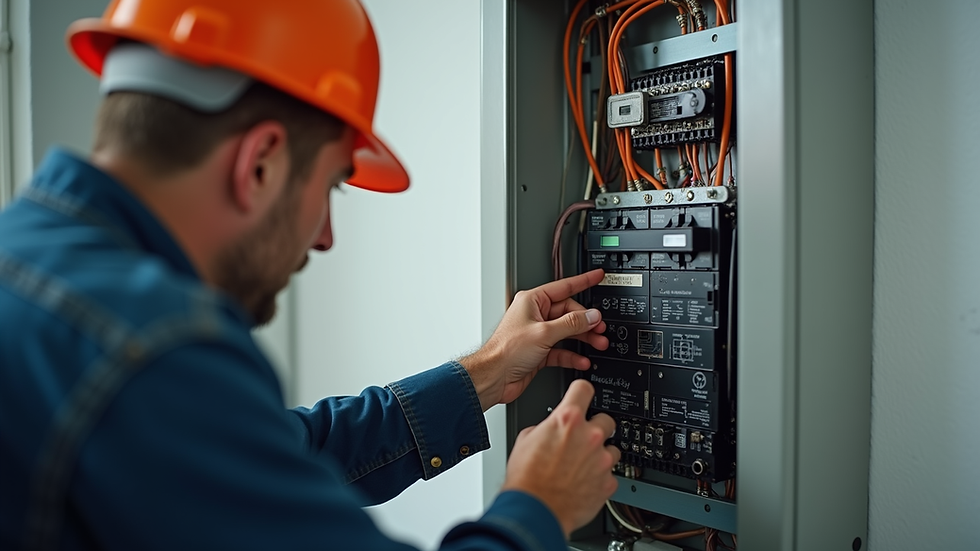
Homeowners and businesses should always prioritize safety by hiring qualified electricians for any electrical wiring repair. Attempting DIY fixes without the right knowledge and tools can lead to further damage or injury.

Key Steps in Fixing Faulty Wiring Safely and Efficiently
When it comes to fixing faulty wiring, a systematic approach is essential. Here are the main steps professionals follow to ensure repairs are both safe and effective:
Assessment and Diagnosis
The first step is a thorough inspection to identify the root cause of the problem. This may involve testing circuits with specialized equipment, checking for loose connections, and examining wiring condition.
Power Shutdown
Before any repair work begins, the power supply to the affected area must be completely turned off. This prevents electrical shock and protects both the electrician and the property.
Removal of Damaged Wiring
Any wiring that is frayed, corroded, or otherwise compromised is carefully removed. This prevents future faults and ensures the new wiring will perform optimally.
Installation of New Wiring
New wiring is installed according to local electrical codes and manufacturer specifications. This includes using the correct gauge wire, secure connections, and proper insulation.
Testing and Verification
After installation, the system is tested to confirm that all circuits are functioning correctly and safely. This includes checking voltage levels, continuity, and grounding.
Documentation and Recommendations
A detailed report of the work performed is provided, along with any recommendations for future maintenance or upgrades.
Following these steps helps maintain the integrity of the electrical system and minimizes the risk of future issues.
Does a 30 Year Old House Need Rewiring?
Older homes, especially those built 30 years ago or more, often require rewiring to meet modern safety standards. Electrical systems from decades ago were not designed to handle today’s high demand for power from multiple devices and appliances.
Common issues in older wiring include:
Outdated Materials: Early wiring may use materials like knob-and-tube or aluminum wiring, which are less safe than modern copper wiring.
Insulation Degradation: Over time, insulation can crack or wear away, exposing live wires.
Insufficient Capacity: Older circuits may not support the electrical load of contemporary homes, leading to frequent breaker trips or overheating.
Lack of Grounding: Many older systems lack proper grounding, increasing the risk of electrical shock.
Rewiring a 30-year-old house involves replacing old wiring with new, code-compliant materials and upgrading the electrical panel if necessary. This process enhances safety, improves energy efficiency, and allows for the installation of modern electrical devices.

Practical Tips for Maintaining Electrical Wiring
Preventive maintenance is key to avoiding costly repairs and ensuring long-term safety. Here are some practical tips for maintaining electrical wiring:
Regular Inspections: Schedule periodic inspections by a licensed electrician to catch potential issues early.
Avoid Overloading Circuits: Distribute electrical loads evenly and avoid plugging too many devices into a single outlet.
Use Quality Components: Always use certified electrical components and avoid cheap or counterfeit products.
Keep Wiring Dry and Protected: Moisture and physical damage can degrade wiring quickly. Ensure wiring is properly enclosed and protected from water exposure.
Replace Damaged Outlets and Switches: Faulty outlets or switches can cause wiring problems. Replace them promptly if they show signs of wear.
By following these recommendations, homeowners and businesses can extend the lifespan of their electrical systems and reduce the risk of emergencies.
When to Call a Professional for Electrical Wiring Repair
While some minor electrical tasks can be handled by knowledgeable individuals, most wiring repairs require professional expertise. Signs that it’s time to call an electrician include:
Persistent flickering or dimming lights
Burning smells or scorch marks near outlets
Frequent circuit breaker trips
Sparks or shocks when plugging in devices
Visible damage to wiring or outlets
Professional electricians have the training, tools, and experience to perform safe and efficient electrical wiring repair. They also ensure compliance with local regulations and safety codes, providing peace of mind.
For those seeking reliable service in Maldon and Essex, JLD Electrical offers expert electrical wiring repair and maintenance. Their commitment to quality workmanship and customer satisfaction makes them a trusted choice for homes and businesses alike.
Enhancing Safety and Efficiency with Modern Wiring Solutions
Upgrading electrical wiring is an opportunity to incorporate modern technologies that enhance safety and efficiency. Some options include:
Arc Fault Circuit Interrupters (AFCIs): These devices detect dangerous electrical arcs and shut off power before a fire can start.
Ground Fault Circuit Interrupters (GFCIs): GFCIs protect against electrical shock by cutting power when a ground fault is detected, especially useful in wet areas.
Smart Wiring Systems: Integration with smart home technology allows for remote monitoring and control of electrical circuits.
Energy-Efficient Wiring Materials: Using high-quality copper wiring and proper insulation reduces energy loss.
Implementing these solutions during repairs or rewiring projects can significantly improve the safety and functionality of electrical systems.
Safe and efficient electrical wiring repairs are essential for protecting property and ensuring reliable power supply. By understanding the risks, following best practices, and engaging qualified professionals, homeowners and businesses can maintain secure and efficient electrical systems for years to come.
For expert assistance with electrical wiring repair, trust the professionals who prioritize safety, quality, and customer satisfaction.



Comments